

 Best Selling Medicine
Showing all 6 results



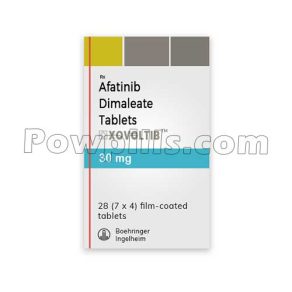


What is Lung Cancer?
Uncontrolled cell growth in the lungs leads to lung cancer. Because the lungs are responsible for adding oxygen and removing CO2 from the blood, any issue with the lungs quickly starts affecting other vital functions.
Lung cancer affects the kidney, nervous system, bones, and respiratory system. Initial symptoms can include shortness of breath, prolonged chest pain, and cough.
Hence, for better chances of a complete solution, reach out to the doctor once symptoms are experienced for the first time.
Types of Lung Cancer
The distinction of lung cancer is made based on the shape and size of cancerous cells under a microscope.
Non-Small Cell Lung Cancer (NSCLC)
This is the most observed form of lung cancer; around 80 to 85% cases of lung cancer are NSCLC. Smoking is one of the main causes of this type of cancer.
This multiplies slowly, but it shows no symptoms initially; as it grows, coughing, chest pain, and shortness of breath are experienced.
Small Cell Lung Cancer (SCLC)
This grows aggressively, but it accounts for 10 – 15% of the total lung cancers globally. Here, too, smoking is one of the major contributors.
Early Signs and Symptoms of Lung Cancer
Initially, one may not even know about his/her cancer unless diagnosed. But as the tumor enlarges, one can experience:
- Consistent cough, chest pain
- Blood in cough
- Abnormal weight loss
- Always feeling exhausted and fatigued
- Shortness of breath
- Always prone to infections such as bronchitis and pneumonia.
Causes and Risk Factors of Lung Cancer
There are specific causes of lung cancer, but certain items and lifestyle choices can increase the chances:
- Smoking or consumption of tobacco is the main reason across the globe.
- Regular exposure to certain chemicals, such as arsenic, chromium, and nickel.
- Living in a polluted atmosphere, move to a different one if needed.
- Genetics is a very strong cause, but for non-smokers, it can be the reason.
How Smoking Increases Lung Cancer Risk
Smoking is one of the major threats to the lungs, triggering the growth of cells. Smoking is automatically absorbed by the body. For long-term smokers can trigger the formation of tumors.
The carcinogens in tobacco smoke can even damage the DNA of cells in the lungs. Hence, quitting smoking or tobacco addiction alone reduces your chances of lung cancer by 80%.
Diagnosis of Lung Cancer: Tests and Procedures
Imaging Tests: Doctors ask for CT scans or X-Rays to look for the presence of tumors.
Sputum Cytology: Mucus is examined under a microscope for confirmation of cancerous cells.
Biopsy: A small tissue sample from the lung is taken by a needle or through a bronchoscope to examine cells directly.
PET Scans: To identify the spread of cancers to other vital organs and tissues.
Stages of Lung Cancer Explained
- Stage I: Cancer is in the initial stages, only present in the lungs.
- Stage I: Cancerous cells have spread to lymph nodes, and the tumor has become bigger.
- Stage III: Cancerous cells have reached lymph nodes in the central region of the chest.
- Stage IV: Here, cancer has turned aggressive and spread to other body parts.
SCLC is distinguished into 2 varieties: Limited (spread to any 1 side of the chest) and Extensive (spread across the body).
Treatment Options for Lung Cancer
Chemotherapy
This involves the use of hard medications to kill cancerous cells and reduce their size, either before surgery or after surgery.
Radiation
Here, X-rays are directed towards the tumor to eradicate cancerous cells. This step is used when surgery is avoided or combined with chemotherapy.
Targeted Therapy
Here, medications are used that target only certain essential proteins that are necessary for cancerous cells’ survival. This causes less damage to healthy cells, unlike chemotherapy.
Surgery for Lung Cancer
If cancer is concentrated in a specific region, the surgery is the best solution:
- Wedge Resection: where a small portion of the lung is removed.
- Lobectomy: a whole lobe is removed.
- Pneumonectomy: full removal of a lung.
Prevention Tips to Reduce Lung Cancer Risk
- Quitting smoking is the best prevention tip.
- Avoid exposure to chemicals like arsenic, chromium, or nickel.
- Avoid passive smoking as well.
- Consume a diet with high levels of antioxidants.
Complications of Advanced Lung Cancer
As the tumor grows bigger, it can result in:
- Pleural Effusion: Formation of fluid around the lungs, causing intense shortness of breath.
- Pain: As the tumor pushes against nerves and bones, pain can occur.
- Metastasis: When a tumor spreads to the brain, it can cause seizures, eyesight problems, and trigger migraines.
Importance of Early Detection in Lung Cancer
Detection of cancer in the first stage increases the chances of total relief, as the size of the tumor is small or, in some cases, it is in the form of a cluster. A minor surgery can totally remove the tumor without any side effects.
When to See a Doctor for Lung Cancer Symptoms
Be aware of your body, such as see if your cough is consistent and lasts for more than 3 weeks, then reach out to the doctor. An instance of blood in a cough is an indication of lung cancer. Losing weight without any diet or major disease should also raise suspicion.