

 Best Selling Medicine
Showing all 3 results

What is Gout Attack?
Gout is a type of inflammatory arthritis known for causing sudden and severe pain episodes called gout attacks.
These attacks can be extremely painful and often occur without warning, commonly affecting the big toe but also other joints like the ankles, knees, and wrists.
During an attack, the affected joint becomes inflamed, swollen, and extremely tender, making even light touch unbearable.
Common Symptoms of a Gout Attack
The inflammation occurs as the body’s reaction to the needle-like crystals accumulating in the joints.
The body treats these crystals as invading objects. Some symptoms are given below:
Intense Joint Pain:
The person immediately experiences pain in joints across the body, especially in the big toe. But it can cause pain in any joint across the body.
Inflammation:
The affected joint area will turn red, and swelling will occur.
Limited mobility:
After the attack, the patient will not be able to move swiftly around the joints.
Lingering Discomfort:
After the severe pain subsides, joint discomfort may last from a few days to a few weeks.
Lingering Uneasiness:
Even after the attack goes away, a few joints may still cause pain; it does not completely go away.
It can last for a few days or, in some cases, for a few weeks as well. attacks may be even more lethal and intensified.
How Long Does a Gout Attack Last?
Without treatment:
A gout attack usually lasts 5 to 14 days.
With proper treatment:
Symptoms can improve within 24 to 48 hours, and the attack may resolve in 3 to 7 days.
The pain often peaks within the first 12–24 hours, making the initial phase the most uncomfortable.
What causes a gout attack?
Gout attacks occur when uric acid builds up in the blood and forms sharp crystals in the joints. These crystals trigger sudden inflammation, leading to arthritis pain, swelling, and redness, often in the big toe.
Understanding the causes can help you prevent future flare-ups.
The root cause of every gout attack is hyperuricemia, a condition where there is too much uric acid in the blood.
Uric acid is a normal waste product created when the body breaks down purines (substances found in your tissues and in many foods).
Who can face a Gout Attack?
Well, historically, Gout was evident among elites, kings, and nobles. But nowadays, due to globalization and modern lifestyle, it is evident across all demographics, ethnicities, and communities.
Gender and Age: Men are more likely to experience a gout attack than women, especially in the age group of 30 to 50. Women tend to have lower uric acid, but their chances increase after menopause.
Dietary Habits: Consuming high levels of fructose or sugar adulterated drinks, alcoholic beverages, and red meat have higher chances of developing gout.
Genetics: Having gout as a family affair, especially in immediate family members, can increase your chances.
Obesity: Obesity is one of the major triggers for gout. Besides, someone also suffering from high blood pressure, kidney disorder, diabetes, and metabolism-related issues is more prone to gout attacks.
Medications: Specific medications like thiazide diuretics or water pills and aspirin may affect uric acid levels.
How to diagnose a gout attack?
Joint Fluid Analysis:
This is the main examination in case of a gout attack. Doctors, with the help of a needle, squeeze out some fluid from the swollen joint. If crystals are visible under the microscope, gout is confirmed.
Blood Tests:
Blood Tests are not that helpful, and in some cases, they can raise doubts. People with high uric acid levels may not get gout, whereas someone with normal levels might experience a gout attack.
Imaging:
Ultrasound and Dual-energy CT scans (DECT) are prescribed to track crystals or initial joint damage, which may be difficult with X-ray.
Physical Examination:
Doctors treat the big toe or the swollen portion to treat sudden, intense pain and inflammation.
What is the treatment of a gout attack?
The process of treating Gout Attacks is distinguished in 2 parts: Controlling acute pain and Long-Term solutions.
Acute Control
NSAIDs: Initially, doctors prescribe anti-inflammatory medicines like naproxen and indomethacin.
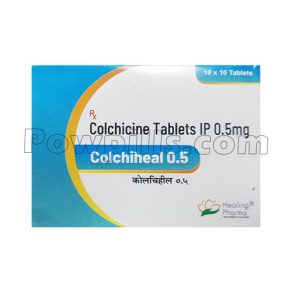
Colchicine: It is a medication to counter the inflammation immediately. It is super-efficient when consumed within the first 24 hours.
Corticosteroids: These are injections, injected into joints for patients who are not suitable for NSAIDs.
Long Term Prevention:
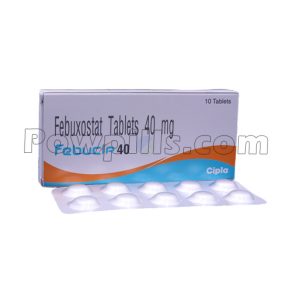
ULT: ULT or Urate Lowering Therapy involves prescribing medications like Febuxostat or Allopurinol. These control the uric acid levels below the danger point.
Lifestyle Changes: In addition to medication and therapies, physicians recommend reducing weight, increasing water intake, and reducing intake of red meat and seafood.
What are the limitations of the treatment?
Organ Sensitivity:
Patients with existing kidney or heart ailments may not be prescribed NSAIDs. These medicines can further worsen their condition.
Adherence Issues:
Gout attacks are not periodic; they happen without warning. Patients usually discontinue the medication after a few days, once inflammation and pain have subsided. But this leads to more severe attacks next time.
Summary
A gout attack typically lasts about 1 to 2 weeks without treatment, but with early care, it can improve within a few days. Prompt treatment and lifestyle changes are key to reducing both the duration and severity of attacks.