



Dr. Aditya Shah
Expert In Clinical Pharmacology And Drug SafetyView moreWhat Is Rabicip 10 Mg
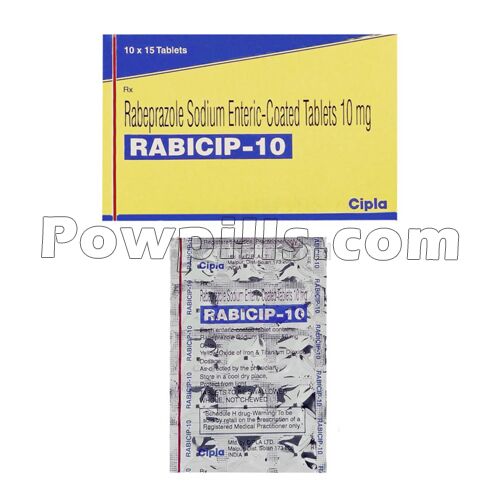
Rabicip 10 Mg is a PPI (proton pump inhibitor) drug that is obtainable only with a prescription. It contains Rabeprazole and is used to manage stomach Acid Reducers. It can be used for the treatment of GERD, Ulcers (duodenal), H.
Pylori and Zollinger-Ellison syndrome, sometimes singly and sometimes with other drugs. The drug can be taken by kids, too, and children more than 1 year of age can take it. However, it is advised that children till 12 years of age must be given delayed-release capsules for their safety.
Key Details Of Rabicip 10 Mg:
- Ingredient: Rabeprazole
- Uses: GERD, H. pylori, duodenal ulcers and Zollinger-Ellison syndrome.
- Mechanism: Increases mucin to treat acid reflux, destroys intestinal bacteria and helps maintain the stomach lining.
- Dosage: 1-2 tablets each day, depending on the treatment conducted, 5-60 mg daily, depending on the treatment and age of the patient, for 4 to 8 weeks.
- Key Warnings: Not to be used in children less than 1 year of age, never take in pregnancy, taking it for more than 1 year can be risky.
- Side effects: Headache, flatulence, abdominal pain, nausea, dizziness.
Mechanism:
Works on the stomach lining and reduces acid formation by increasing the level of mucin in the stomach. The drug can also cut the supply of nutrition to bacteria and hence, cause the elimination of bacteria from the stomach. For this purpose, it can be used for the treatment of H. pylori and for the treatment of peptic ulcers in the stomach.
Dosage Administration:
General Guidelines:
- Take the tablet with food and before going to bed.
- Children below 12 years of age must take delayed-release capsules.
- Children above the age of 1 year can be given the drug.
- The drug usage is according to the weight and age of the patient.
For Treatment Of GERD:
- 1-11 years of kids weighing more than 15 kg must take a 10mg tablet a day for 4 weeks.
- 1-11-year-old kids weighing less than 15 kg must take a 5mg tablet for 4 weeks.
- 12 years of age and older must take a 20mg tablet for 4 weeks.
- Adults must take a 20 mg tablet once daily for 8 weeks.
For Treatment Of Duodenal Ulcers And H. Pylori:
- Children must not take the drug.
- Adults need to take 20 mg wit meal, twice a day, for 7 days.
- You may need Clarithromycin and Amoxicillin with the drug.
For Treatment Of Zollinger-Ellison Syndrome:
- Children must not take the drug.
- For adults, the dosage is 60 mg, one time a day.
- Duration of use will be determined by the doctor.
Missed dose:
In case you miss a dose, you can take it before going to bed (in case of a single dose). You can take the drug within 1-2 hours of missing it (in case of dual dose). Missing it within the extended time periods must be followed by skipping the day’s dosage.
Overdose:
Overdose can cause side effects, including nausea, pain in your abdomen, and headache. So, never overdose on Rabicip 10 Mg.
Side Effects:
Side effects are usually temporary in the case of Rabicip 10 Mg, such as:
- Pain in your abdomen.
- Nausea
- Constipation/diarrhoea (anyone)
- Headache
- Dizziness
Important Warnings:
- Never take the drug for more than 1 year. If you do so, you will be prone to having bone fractures, as the drug causes a deficiency of Vitamin B12.
- Never take it with alcohol and spicy foods. This can worsen your ulcers.
- Never take it during pregnancy, as that causes calcium issues in your kid. If your doctor guides you, you can take it with extra precautionary measures.
FAQs
Q. How Long Shall I Take Rabicip?
You may have to take it for 4 to 8 weeks at times. However, in some cases, taking it for 7 days is enough. It depends on the treatment conducted, your body weight and your age.
Q. What Happens When I Take It For A Long Time?
Taking Rabicip for more than one year can be extremely risky. The drug can then cause issues like deficit of magnesium and vitamin B12, causing fragile bones.
Q. When Must I Not Take Rabicip?
Never take Rabicip during pregnancy, unless extremely necessary. It can cause calcium issues in your baby.
Q. Can Children Take The Drug?
Children less than 1 year old must not take the drug. However, children between 1 and 12 years must take delayed-release capsules for their safety.
